Impact
Power is measured by legacy.
We believe power is not measured by the wealth that is accumulated, but by the legacy that is built. Our impact reflects that philosophy: training leaders who master their industry and leave it better than they found it.
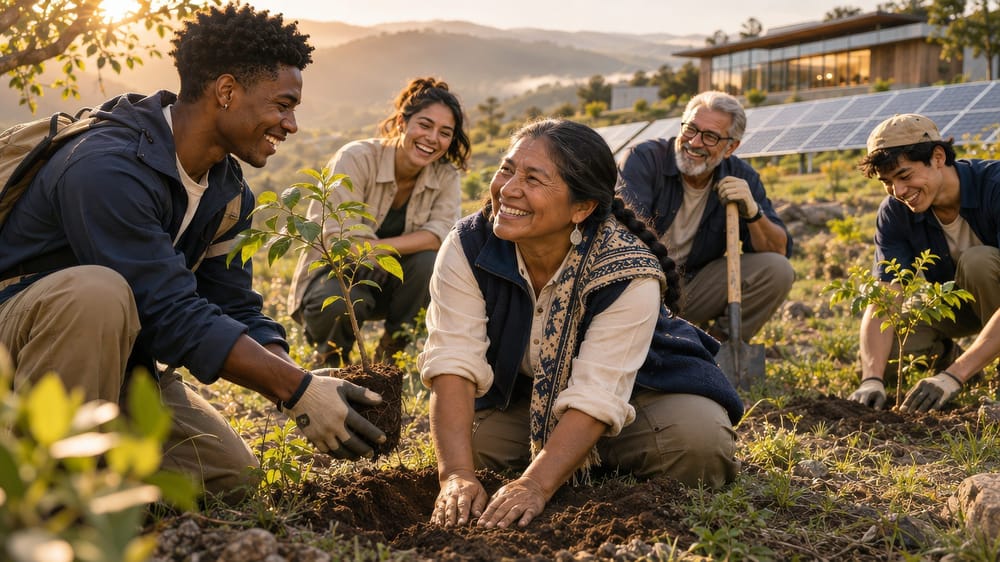
Leading with purpose
The wealth cycle closes by giving back.
A leader does not seek only their own success, but also that of others. We aim to train leaders who build wealth, train other leaders, live with purpose and care for the planet.
Donations
Work and money
We donate hours of work and money to organizations aligned with our values.
Climate
Carbon footprint
We allocate a percentage of our sales to offset our carbon footprint, with initiatives that support sustainable practices.
Operations
Sustainability policies
We promote sustainability, reduce resource use and encourage recycling.
Training
Leaders with awareness
We educate other leaders on how to act in favor of sustainability and social responsibility.
We invite you to join this path, where every decision counts toward leaving a positive legacy for future generations.
As I have loved you, so love.
Go and love.
Organizations
Organizations that make a real difference.
We recognize the organizations working for a more equitable and sustainable future. Get to know them, support their cause and, if you can, consider a donation.
Nature and sustainability
SAN | Sustainable Agriculture Network
Global network for sustainable and regenerative agriculture
A global network that brings organizations together to move agriculture toward sustainable and regenerative practices. Agriculture is at the center of several of humanity's challenges, from climate change to food security and the preservation of natural resources.
Oceans and marine conservation
Sea Shepherd Global
International direct-action ocean conservation movement
The oceans regulate the climate, harbor enormous biodiversity and feed millions of people. Overfishing, pollution and habitat destruction threaten them, and Sea Shepherd responds by enforcing international law and through direct action to preserve them.
Health and humanitarian crises
Doctors Without Borders (Médecins Sans Frontières)
Urgent medical aid in critical moments
An international humanitarian organization that provides emergency medical assistance to people affected by conflict, disasters and epidemics. It acts quickly in crises, with independence, neutrality and a commitment to human rights.
Refugees and humanitarian aid
International Rescue Committee (IRC)
Helps people affected by humanitarian crises
Founded in 1933 at the call of Albert Einstein, the IRC provides clean water, medical care, shelter and education to people in crisis. It does not only respond to the emergency: it stays as long as needed for communities to recover their livelihoods.
Abolition of modern slavery
Anti-Slavery International
Global fight against modern slavery in all its forms
One of the oldest human rights organizations in the world. It fights human trafficking, forced labor, child slavery and debt bondage through awareness campaigns, legislative change and direct support to victims.
Education and gender equity
Room to Read
Education, literacy and gender equality
A global organization working to eradicate child illiteracy and promote gender equality in education. It builds reading skills and supports girls in key life decisions, in low-income communities, alongside governments and other partners.
Donations are made directly on each organization's website.
With NGOs
We collaborate with non-profit organizations.
We offer special discounts to NGOs that want to work with us. We assess each case to define the scope of our support and the donation we can contribute through our work. We aim to make your organization stronger and more resilient so it can expand its impact on communities and the planet.
Email: [email protected]
Special dates
Dates that call for a decision.
Every date is a question for your organization: what to review and what to change. Each one comes with an audio and a PDF guide with the steps to implement it.
January

JANUARY 24
International Day of Education
Review how much time and budget your organization protects so its people can learn, and which training decision you have been putting off for months.

JANUARY 24
World Day for African and Afrodescendant Culture
Ask which voices are missing from your organization's decisions, and who does not recognize themselves in the stories it tells about itself.

JANUARY 26
International Day of Clean Energy
See where the energy that powers your operation comes from, and which decision of yours could change that source.
February

FEBRUARY 11
International Day of Women and Girls in Science
See who reaches the technical positions in your organization and who is left along the way. Open a path for the talent that does not get in today.

FEBRUARY 13
World Radio Day
Check which channels your people really use to get informed and whether your message reaches them there.

FEBRUARY 21
International Mother Language Day
If your team works in more than one language, notice who goes quiet in meetings and which language explains it.
March

MARCH 1
Zero Discrimination Day
Review your hiring and promotion criteria. Every barrier that does not measure performance is a decision someone made and you can change.

MARCH 3
World Wildlife Day
Ask which part of your supply chain touches living ecosystems and who answers for that impact.

MARCH 8
International Women's Day
Count how many women lead areas with budget and decision-making power. Set a goal with a date and an owner.

MARCH 21
International Day of Forests
Review the paper, wood and materials your organization consumes. A purchasing policy is a concrete way to protect forests.

MARCH 21
World Down Syndrome Day
Review whether your jobs and hiring processes leave room for people with different abilities, and which concrete adjustments would make their participation possible.

MARCH 22
World Water Day
Ask your operations team for the water consumption data. What is not measured is not reduced.
April

APRIL 2
World Autism Awareness Day
Review whether your spaces, meetings and evaluations work for people who process their environment differently. Adjust one thing this week.

APRIL 5
International Day of Conscience
Before your next important decision, ask who is harmed and who is not in the room.

APRIL 7
World Health Day
Review workloads, schedules and breaks. The health of your team also depends on decisions you make.

APRIL 21
World Creativity and Innovation Day
Set aside real time, not a workshop afternoon, for your team to test ideas that might fail.
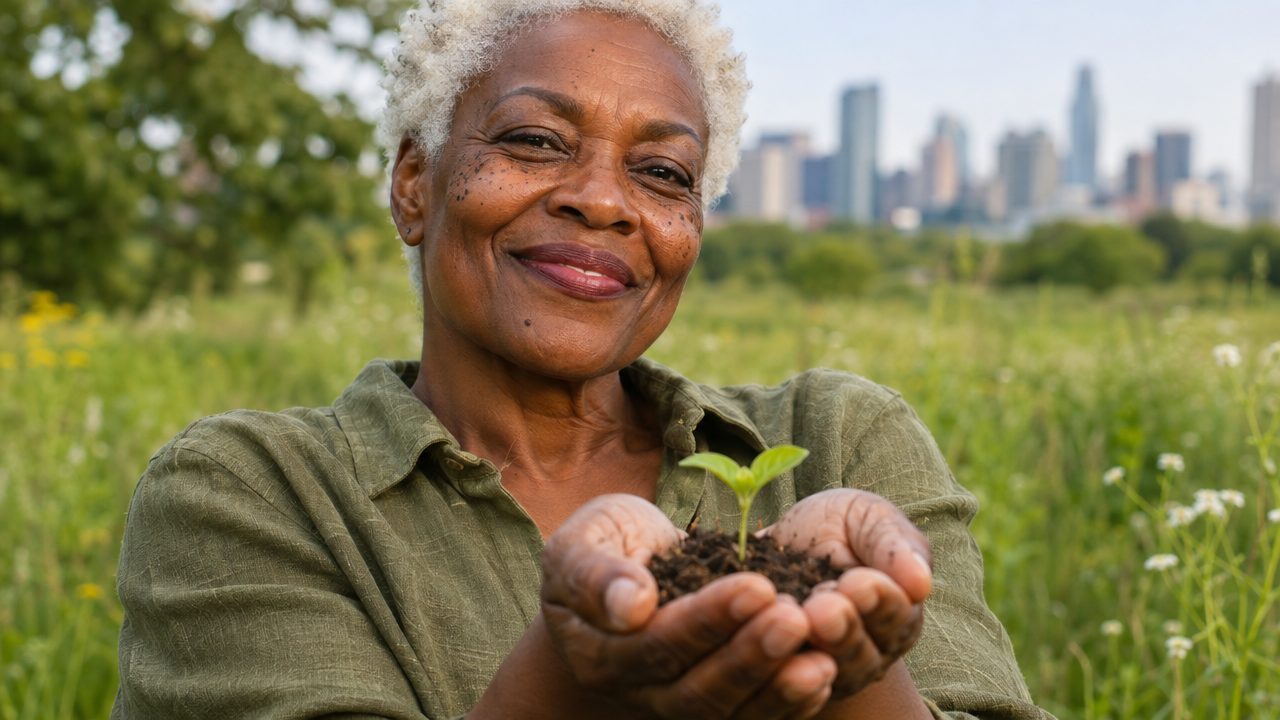
APRIL 22
International Mother Earth Day
Choose one business decision from this quarter and ask what environmental cost it would bring. Make that question part of your criteria.

APRIL 24 TO 30
World Immunization Week
Ask what your organization does so its people can access prevention and basic medical care, and which obstacles remain.

APRIL 26
International Chernobyl Disaster Remembrance Day
Chernobyl shows what it costs to ignore a technical warning. Review who can stop a process in your organization when they see a risk.

APRIL 30
International Jazz Day
Jazz improvises on a shared structure. Check whether your team knows the rules well enough to improvise.
May

MAY 1
International Workers' Day
Ask the people who do the work every day what keeps them from doing it better, and change one thing that depends on you.

SECOND SATURDAY OF MAY
World Migratory Bird Day
Migratory birds travel routes that cross countries and depend on those routes being conserved. Check whether your operation affects any of those areas.

MAY 15
International Day of Families
Review your organization's schedules and meetings. Respecting family life is usually a matter of simple agreements.

MAY 16
International Day of Light
Light sustains science, energy and communications. Review how much energy your organization spends on lighting and whether it could spend less.

MAY 17
World Telecommunication and Information Society Day
Check whether your whole team has the connection and the tools to work well, not just the people at the main office.

MAY 20
World Bee Day
Bees pollinate many crops. If your organization buys food or works with farmland, ask how pollinators are protected in that chain.
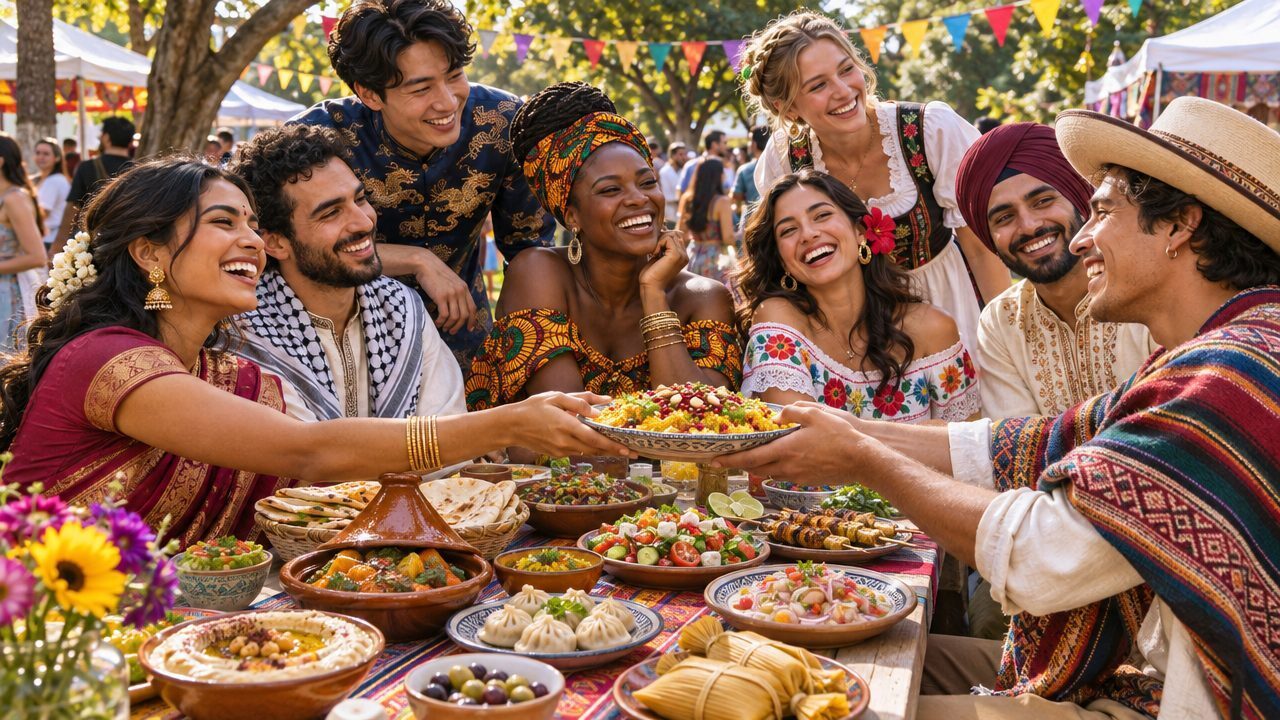
MAY 21
World Day for Cultural Diversity for Dialogue and Development
When everyone in the room thinks alike, the decision comes faster and poorer. Bring in someone with a different view before deciding.

MAY 22
International Day for Biological Diversity
Ask for a map of how your activity affects the ecosystems it depends on. Without that map, any commitment is just an intention.
June

JUNE 1
Global Day of Parents
See what your organization does for those who raise children while they work, and which decision of yours would make their lives easier.

JUNE 3
World Bicycle Day
Review how your team gets to work and what stops someone from cycling: parking, showers, safety.

JUNE 12
World Day Against Child Labour
Ask your suppliers how they verify there is no child labor in their chain. Request the answer in writing.

JUNE 14
World Blood Donor Day
Organize a donation day with your team and grant the time within the workday.

JUNE 18
Sustainable Gastronomy Day
Review what your organization's cafeteria buys and how much is wasted. It is a small, measurable decision.
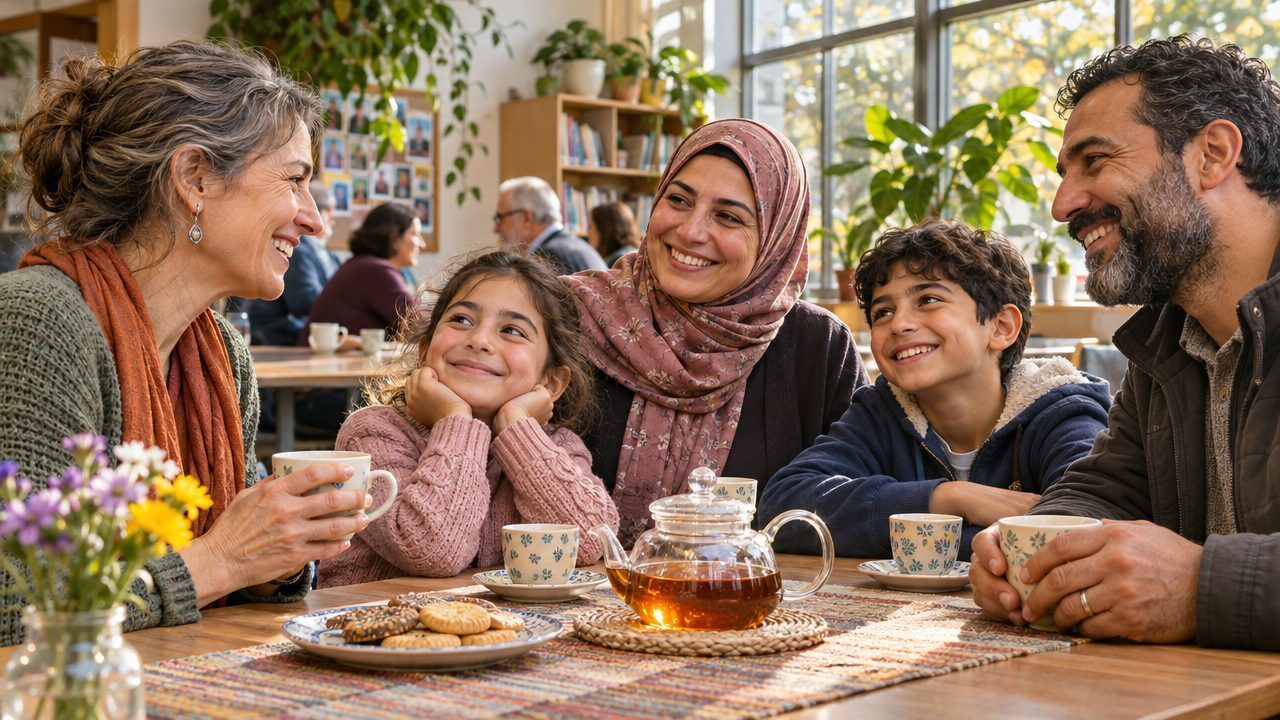
JUNE 20
World Refugee Day
If your organization hires, check whether its processes recognize the experience of refugees and which documents it asks for unnecessarily.

JUNE 21
International Day of Yoga
Whoever leads also needs to stop. Define a regular practice, yoga or otherwise, and protect it in your calendar.

JUNE 27
Micro-, Small and Medium-sized Enterprises Day
Review how your organization treats the small businesses that sell to it: payment terms, conditions and respect.
JUNE 28
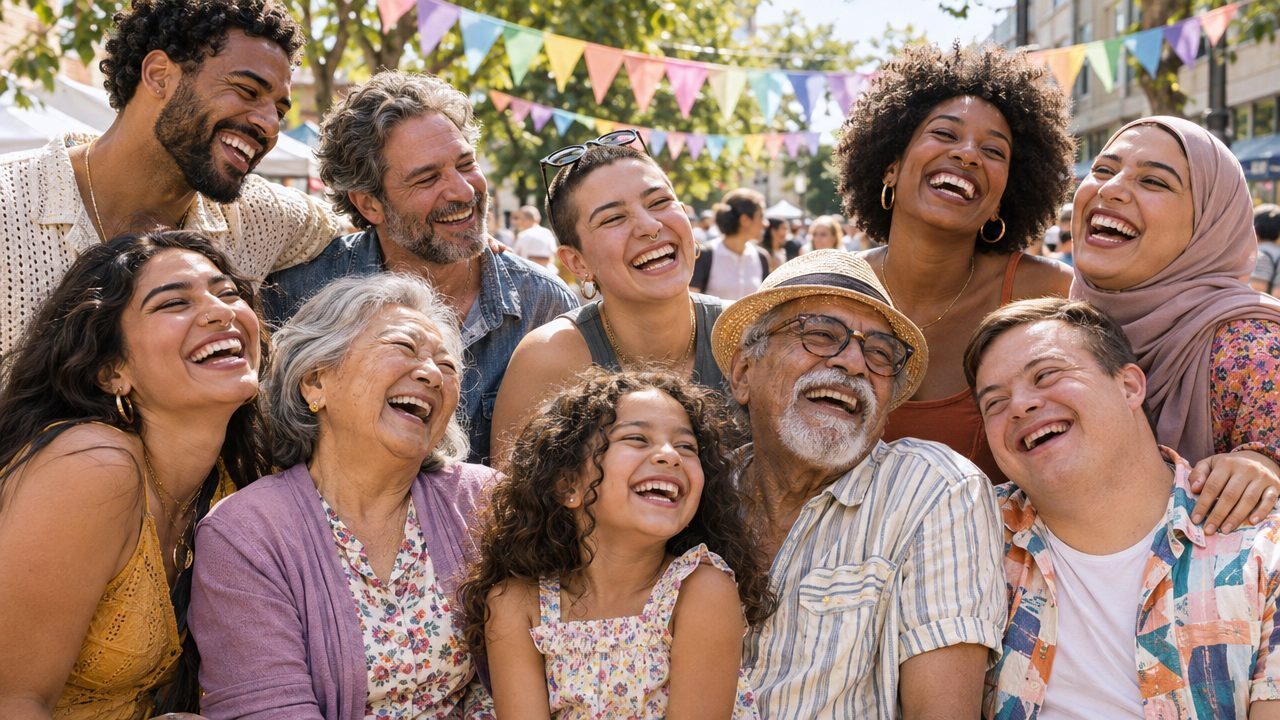
LGBTQ+ Pride Day
Check whether anyone in your organization can talk about their life naturally, and which policies back those who do.
July

JULY 12
Malala Day
Malala defended the right of girls to study. Review whom your organization supports to study and who is left out.
JULY 18
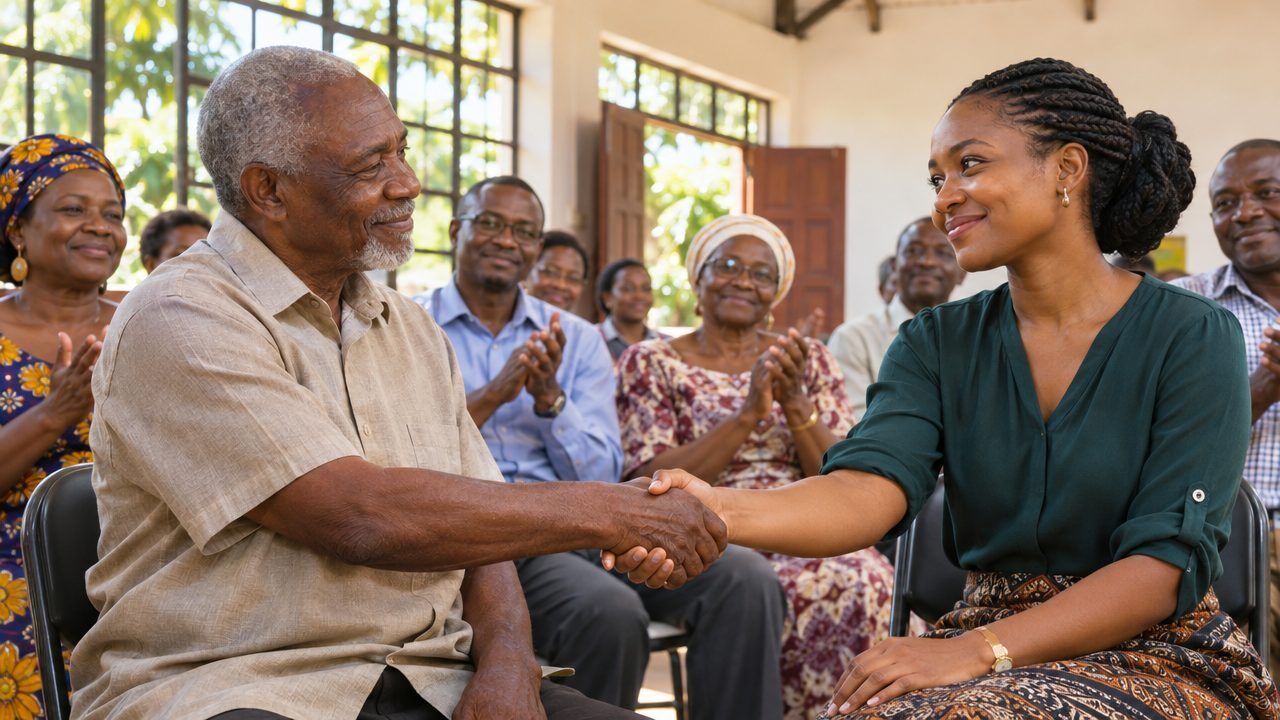
Nelson Mandela International Day
Mandela led through reconciliation, not revenge. Think of a conflict in your organization and what it would take to resolve it that way.

JULY 26
International Day for the Conservation of the Mangrove Ecosystem
Mangroves protect coasts and shelter species. If your activity touches coastal areas, ask what is done there to conserve them.

JULY 30
International Day of Friendship
Trust between people sustains work between teams. Check with whom you need to rebuild a relationship before tension becomes the norm.
August
AUGUST 9
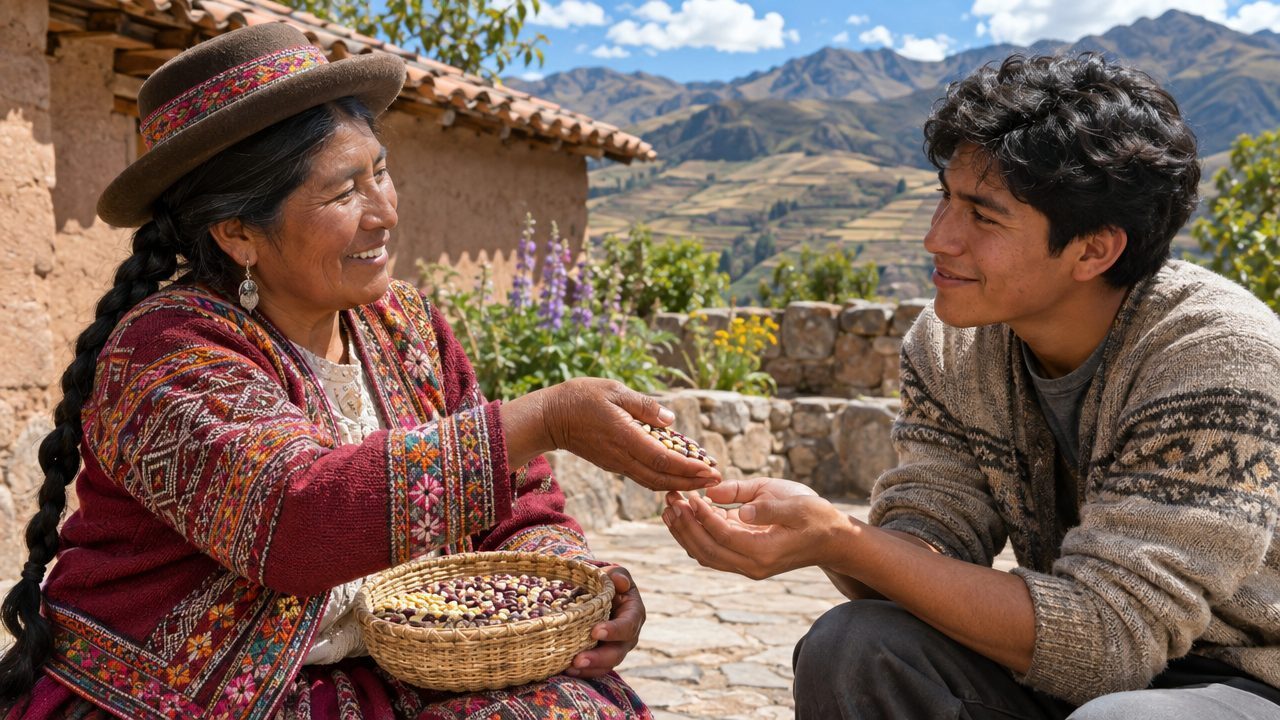
International Day of the World's Indigenous Peoples
If your operation or supply chain touches Indigenous territories, confirm that prior consultation exists and how it is documented.

AUGUST 12
International Youth Day
Give a young person on your team a project with a real decision and review what changed after three months.

AUGUST 19
World Humanitarian Day
Define with your team how your organization would respond to an emergency in the communities where it works: who decides and with what resources.
September

SEPTEMBER 7
International Day of Clean Air for Blue Skies
Ask your operations team for an estimate of emissions and set a concrete reduction with a date.

SEPTEMBER 8
International Literacy Day
Check whether your communications, contracts and forms can be understood without a university degree.
SEPTEMBER 15
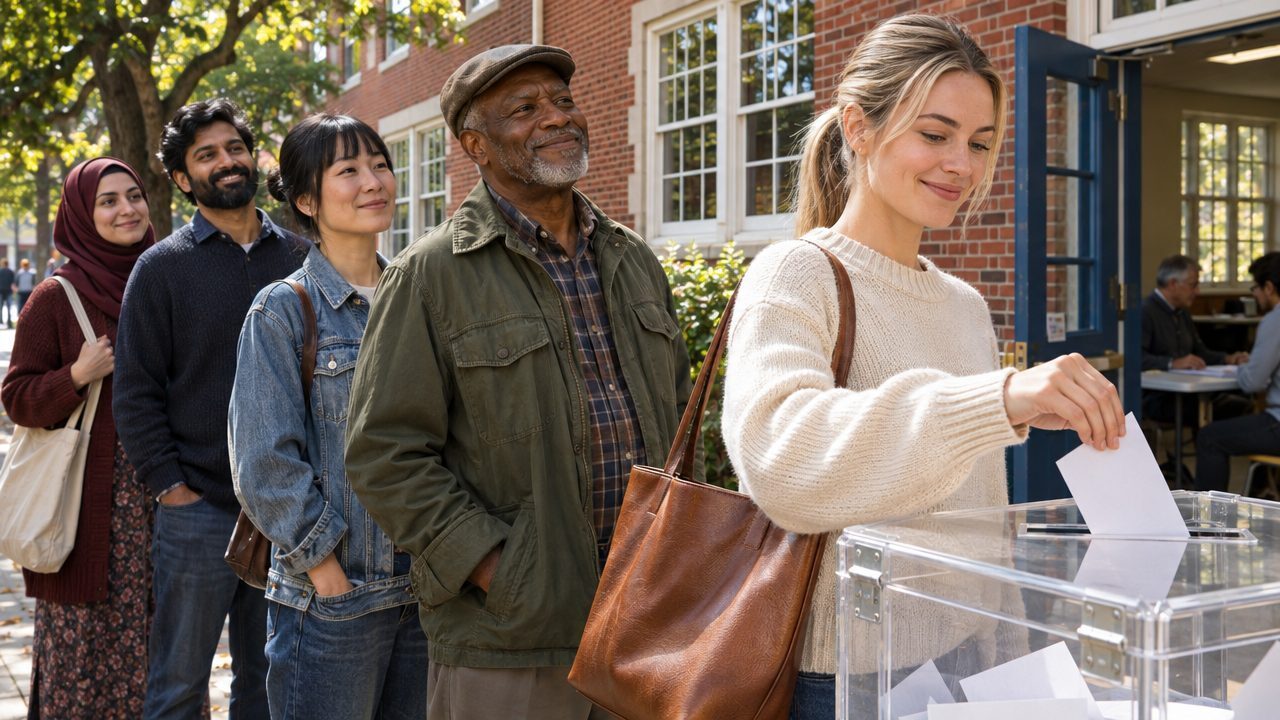
International Day of Democracy
Review how decisions are made in your organization and who can disagree without paying a price for it.

SEPTEMBER 16
International Day for the Preservation of the Ozone Layer
The ozone layer problem was addressed because countries agreed and followed through. Think about which agreement your sector needs.

SEPTEMBER 18
International Equal Pay Day
Compare salaries and promotions by gender in equivalent roles. If there is a gap, decide how it gets corrected.
SEPTEMBER 21
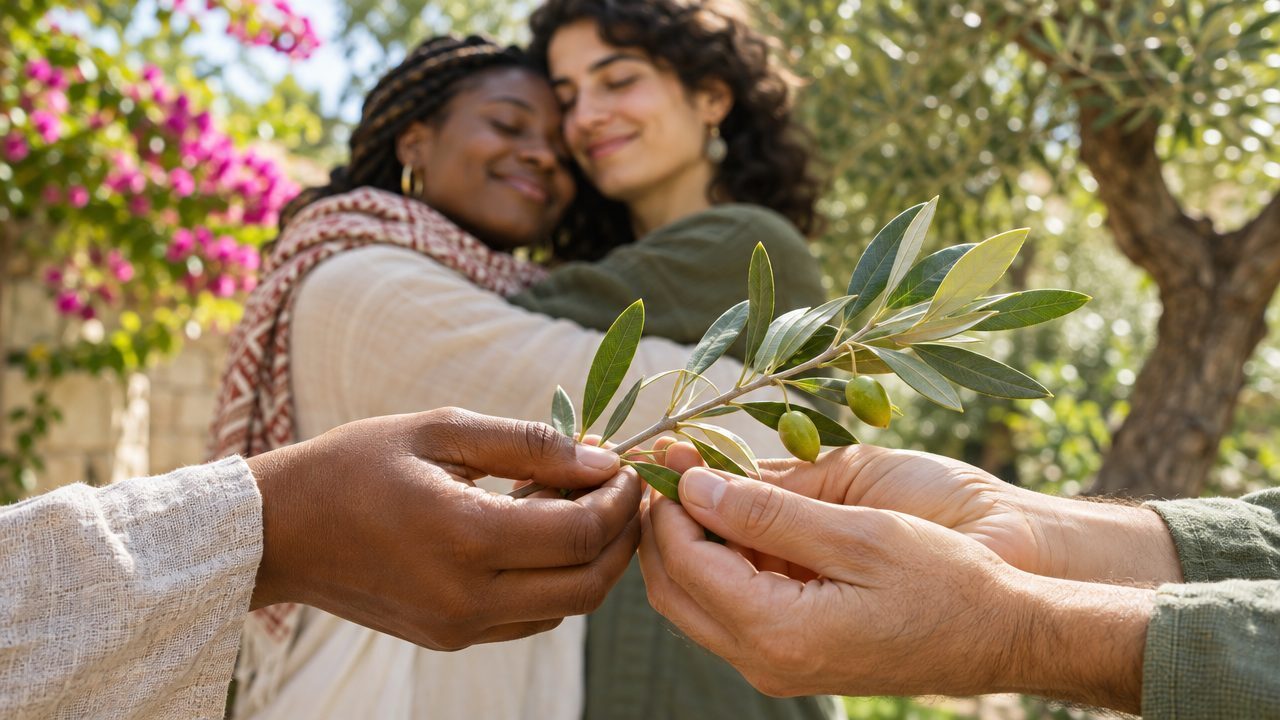
International Day of Peace
Before your next negotiation or internal conflict, ask what the other side needs to hear in order to sit down and talk.

SEPTEMBER 23
International Day of Sign Languages
Check whether your meetings, trainings and service channels can be used by deaf people, and what it would cost to adapt them.

SEPTEMBER 30
International Translation Day
If your organization operates in several languages, check who translates, by what criteria and whether the meaning arrives intact.
October

OCTOBER 2
International Day of Non-Violence
Review how disagreements are handled in your organization. Aggression that is tolerated in a meeting soon becomes habit.

OCTOBER 4 TO 10
World Space Week
Space technology is already in your operation: GPS, weather, communications. Ask which of your decisions depend on it.

FIRST MONDAY OF OCTOBER
World Habitat Day
Review where and in what conditions the people who work with you live, and the communities neighboring your operation.

OCTOBER 5
World Teachers' Day
Recognize a teacher who shaped someone on your team, or support a nearby school with your people's time.
November

NOVEMBER 10
World Science Day for Peace and Development
Ask your team for the evidence behind your next important decision and which data would change your judgment.

NOVEMBER 16
International Day for Tolerance
Define with your team how to disagree respectfully in meetings and what happens when an agreement is not kept.

NOVEMBER 20
Universal Children's Day
Consider what your organization would do differently if every decision had to be explained to the children of those who work in it.

NOVEMBER 25
International Day for the Elimination of Violence against Women
Verify that your organization has a confidential channel to report harassment and violence, and what happened with the last report.
December

DECEMBER 3
International Day of Persons with Disabilities
Walk through your facilities, your website and your hiring process as a person with a disability would. Note what fails.
DECEMBER 10
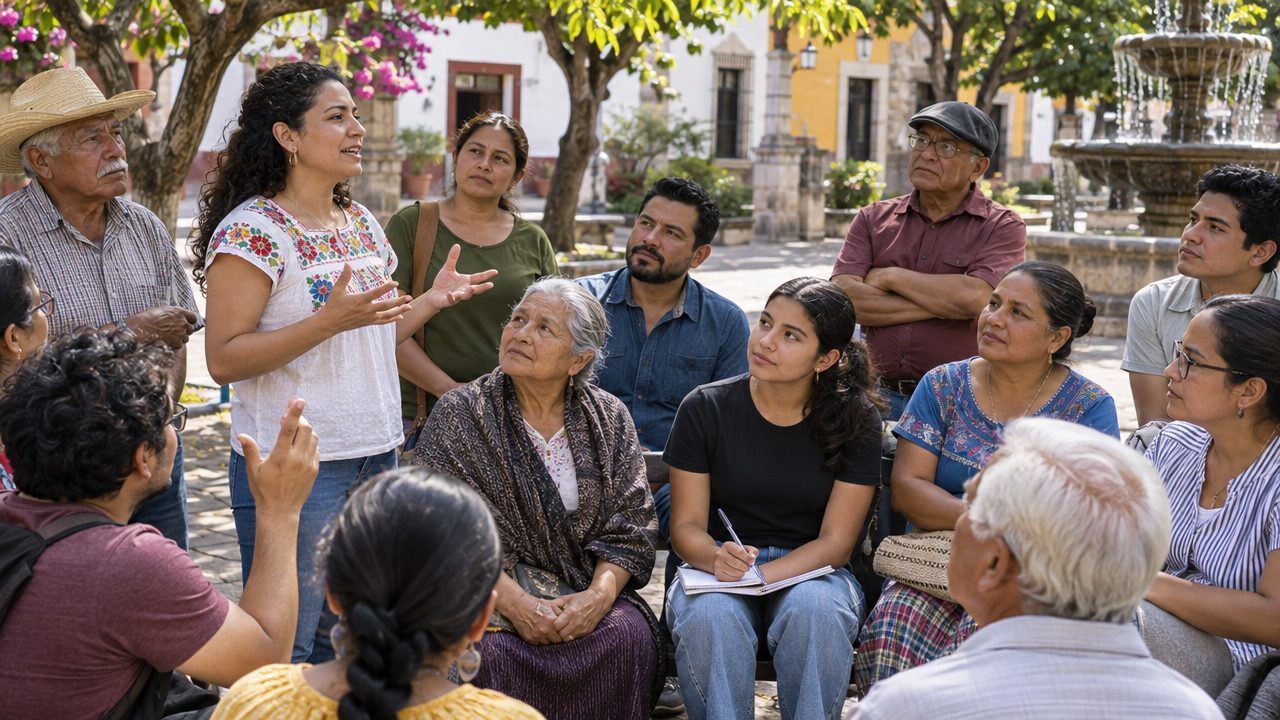
Human Rights Day
Check whether your code of conduct mentions human rights and who answers for compliance across your value chain.

DECEMBER 11
International Mountain Day
Mountains store fresh water for millions of people. If your operation depends on mountain watersheds, ask how they are looked after.

DECEMBER 20
International Human Solidarity Day
Choose a cause and commit your organization to it for a full year, with a goal and an owner.
IFM Global
IFM Global S.A. · San Rafael de Heredia, Costa Rica
IFM Strategic Systems LLC · United States
A leadership development company: professional services, published work, courses, events and content. More than 20 years.
© IFM Global. All rights reserved.
The ambient photographs on this site were generated with artificial intelligence. They do not show real people.